
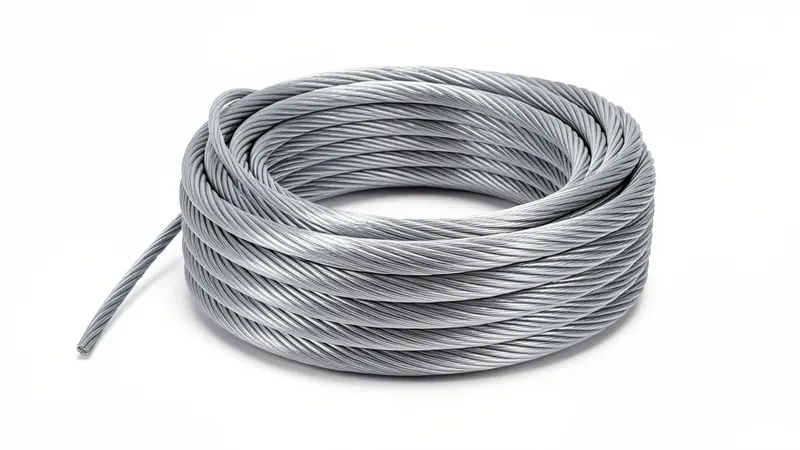
Two identical wire ropes, given the same quality lubricant, can end up with dramatically different lifespans. The deciding factor often isn’t the grease at all — it’s how that grease was applied. The way a wire rope lubricant is delivered determines whether it protects the rope where it matters or merely coats the surface for show. Understanding this connection between application method and long-term durability is essential for anyone who depends on wire rope to perform safely over time.
Why Application Is Half the Battle
It’s easy to assume that choosing a good lubricant is where the job ends. In truth, the finest product in the world offers little benefit if it never reaches the parts of the rope that need it.
Wire rope is not a solid object but a bundle of strands wound around a core. Protecting only its exterior leaves the interior exposed, which is why the method of application matters every bit as much as the lubricant itself.
The Shortcomings of Manual Greasing
For generations, the default approach was to apply grease by hand — with brushes, rags, or gloved fingers. It’s familiar, cheap, and requires no special equipment, but it carries real limitations.
Surface Coverage Without True Penetration
Hand application tends to leave lubricant sitting on the outer wires, rarely working its way into the rope’s inner structure. The result is a rope that looks protected while its core — where corrosion frequently starts unseen — remains vulnerable. Over the long term, this shortfall quietly shortens the rope’s usable life.
The Problem of Inconsistent Coverage
Beyond penetration, manual methods struggle with evenness. A person working by hand inevitably applies more in some spots and less in others.
Those thin, missed patches become weak points where wear and corrosion take hold first. Inconsistent coverage means a rope is only ever as protected as its least-treated section, undermining the whole effort.
How Pressure-Based Systems Changed the Equation
Modern lubrication systems address these failings directly by using pressure to drive lubricant into the rope. This is a fundamentally different proposition from surface coating.
By forcing grease through a seal that hugs the rope, these systems push lubricant past the outer wires and into the core. Reaching the interior — the very place hand methods miss — transforms how thoroughly a rope is protected against internal decay.
Cleaning as Part of the Process
Effective application isn’t only about adding lubricant; it’s also about what comes off first. Old grease, grit, and debris trapped on a rope prevent fresh lubricant from doing its job.
Preparing the Rope for Better Results
Advanced application methods often incorporate a cleaning stage that strips away contaminants before new lubricant goes on. Starting with a clean rope allows the fresh grease to penetrate properly, making the treatment far more effective and longer-lasting.
The Efficiency Factor Over Time
The application method also shapes how consistently maintenance actually happens. A slow, unpleasant, manual chore is easily postponed, and neglected ropes deteriorate faster.
Faster, cleaner systems make regular lubrication practical rather than dreaded. When maintenance is easy to perform, it gets done on schedule, and consistent care is one of the strongest predictors of a long rope life.
Waste, Mess, and the Working Environment
The method chosen has knock-on effects beyond the rope. Sloppy hand application wastes lubricant and leaves a mess, while precise systems deliver grease where it’s needed with little excess.
This efficiency isn’t just tidier — it’s more economical and safer. Less waste means lower costs and fewer hazards, factors that add up meaningfully across the working life of the equipment.
Choosing the Method That Protects Your Investment
In the end, how a rope is lubricated has a direct and lasting bearing on how well it performs and how long it survives. Deep penetration, even coverage, proper cleaning, and consistent application all point toward methods that reach beyond the surface. For anyone serious about protecting a valuable and safety-critical asset, giving thought to the application method — not just the lubricant — is what truly pays off over the long run.